Why Apple Jumped to iOS 26: The Full Story
Apple, iOS 26, Ecosystem
Why Did Apple Jump to iOS 26? The Full Story
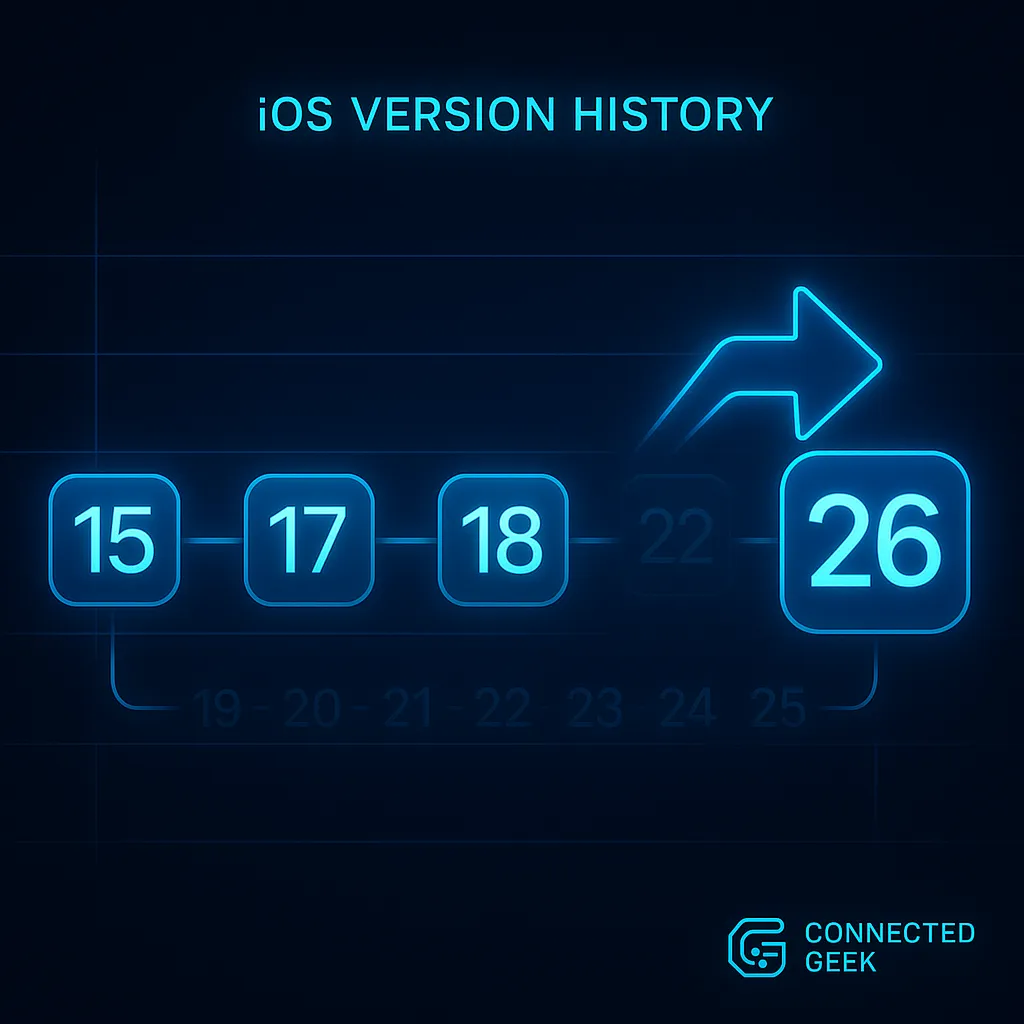
If you opened Settings one morning, saw “iOS 26,” and thought, “Wait… did I sleep through eight whole versions?” you’re not alone. The jump from iOS 18 straight to iOS 26 looks wild at first glance, but there’s actually a very Apple‑style logic behind it—part branding, part clarity, and very much about the bigger ecosystem story.
What Apple’s Version Number Alignment Actually Means
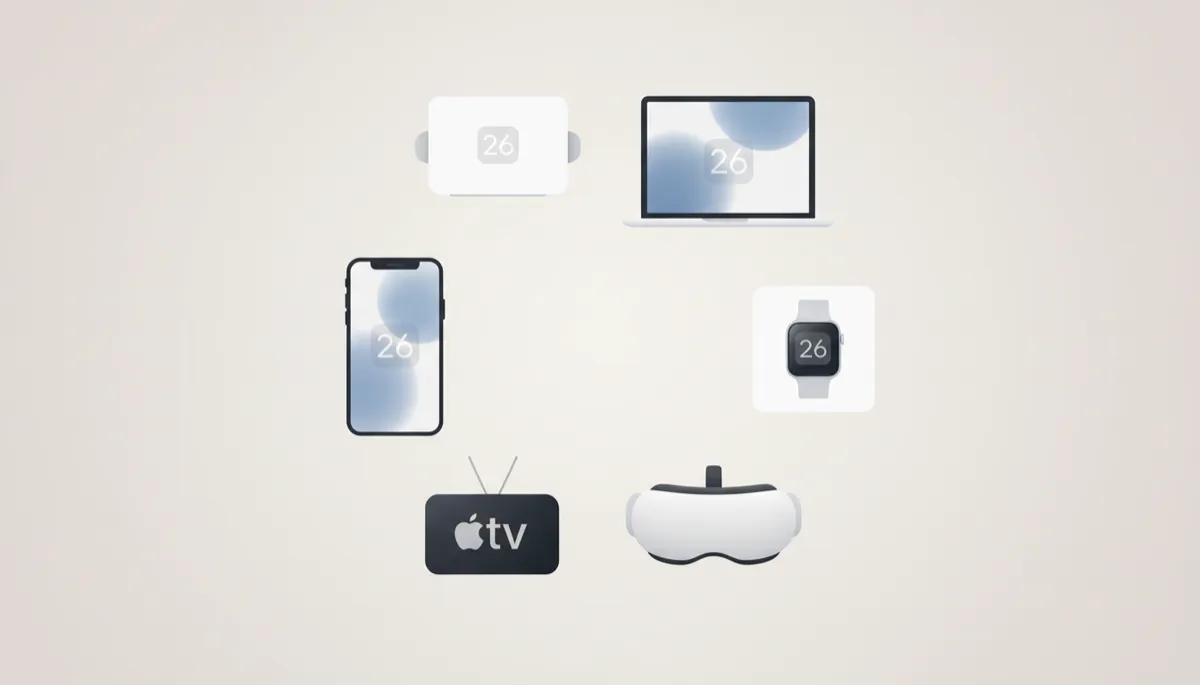
With iOS 26, Apple didn’t just bump a number; it flipped the whole naming system. Instead of marching along with 19, 20, 21 and so on, Apple moved to a year‑style scheme that mirrors how car models are named. iOS 26 is the platform that mainly lives through the 2025–2026 cycle, and the same “26” label now shows up on iPadOS, macOS, watchOS, tvOS, and visionOS too (MacRumors).
In practice, the strategy is simple: one major version number per year, shared across every Apple operating system. Instead of juggling iOS 18, watchOS 11, macOS whatever‑name, you now just think “26” as the software generation running across your devices.
A More Unified, Less Confusing Ecosystem
This is where the move really clicks. Apple has spent years talking about “continuity” and “it just works” moments—picking up a FaceTime call on your Mac, answering messages on your watch, handing off work between iPhone and iPad. Behind the scenes, those tricks depend on features lining up across platforms.
By stamping everything with the same big number, Apple is sending a quiet signal: if it says 26, it belongs to the same generation. For regular users, that feels less like a pile of separate gadgets and more like one giant, connected system that just happens to live on different screens.
A Quick Trip Back: From iOS 17 and Sonoma to “26”
Not long ago, things were a bit messier. iPhones were on iOS 17 and 18, Apple Watches on watchOS 10, and Macs had their own vibe entirely—macOS Sonoma, then Sequoia—plus their own version numbers under the hood. tvOS and the newborn visionOS added even more labels to keep straight (The Verge).
If you’re an Apple fan, you probably got used to that alphabet soup. But for most people, it was confusing. Why is my iPhone on 18 while my Mac is on 15‑something with a tree name? The jump to 26 wipes that slate clean and replaces it with one simple, shared counter.
A Strategic Branding Move, Not Just a Nerdy Tweak
Apple is famously picky about names—think “Air,” “Pro,” “Max.” Version numbers are part of that story. Calling everything “26” turns the yearly software wave into a brand in its own right. It’s easier to market (“Welcome to Apple 26”), easier to explain, and a lot cleaner than juggling five different numbers in one keynote (MacRumors).
It also subtly resets expectations. Instead of thinking in terms of “my iPhone update,” you start thinking in terms of “this year’s Apple platform.” That’s a small mental shift, but it nudges you to see the ecosystem as a whole, not a collection of separate upgrades.
What It Reveals About Apple’s Fully Connected Future
The jump to iOS 26 is really a hint about where Apple is heading. As features like cross‑device intelligence, shared notifications, and cloud‑synced everything get deeper, the idea of “this device versus that device” matters less. What matters is the generation of the experience you’re on.
So yes, skipping straight to 26 looked dramatic—but it’s Apple tying a neat bow around its universe. One number, many screens, and a clear message: your iPhone, Mac, Watch, TV, and headset aren’t just compatible; they’re chapters in the same story.
